



Blog
When Online Services Remove Features After Purchase
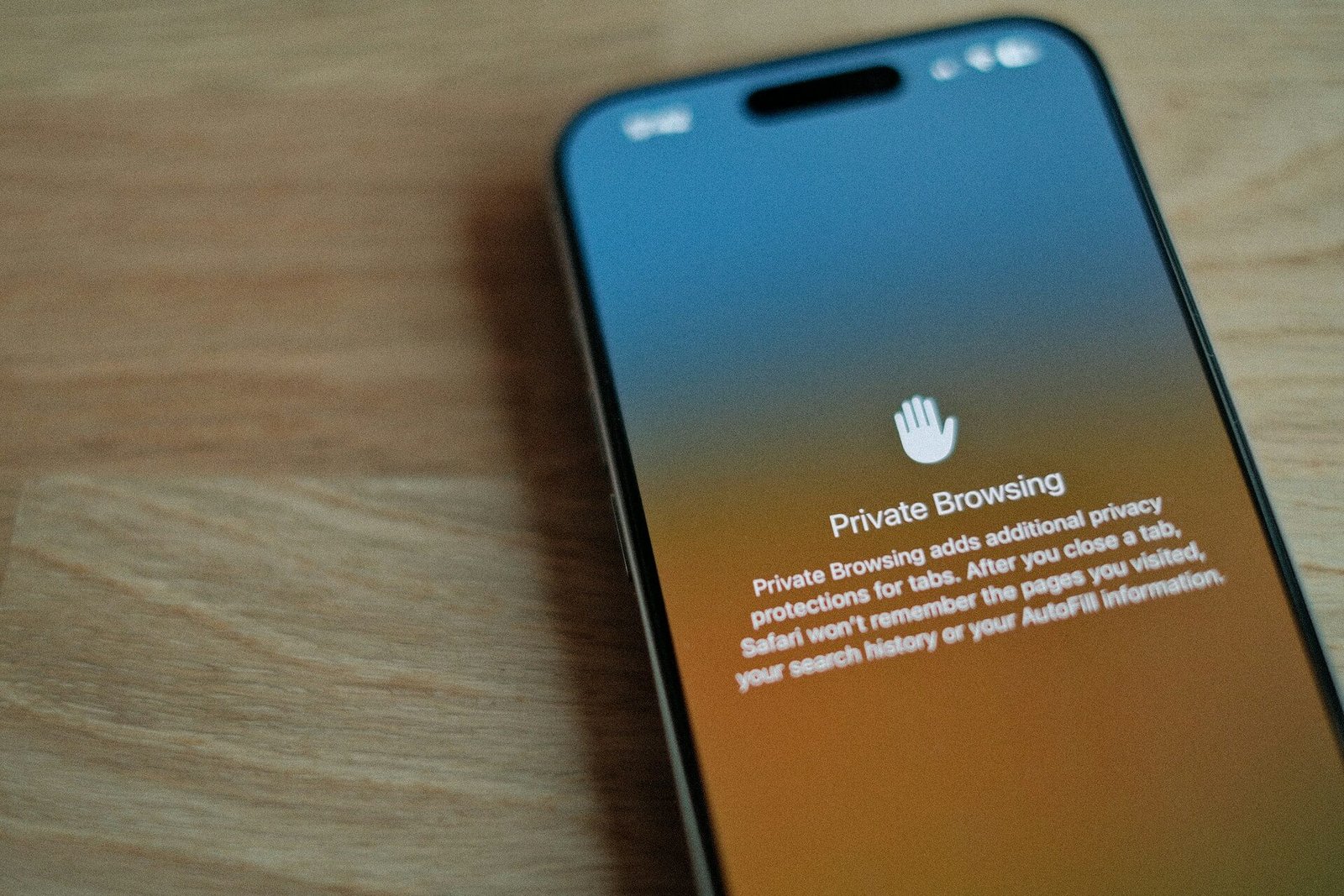
A closer look at how companies change products, remove functionality, or restrict access after customers have already paid.
Digital products and online services are frequently updated throughout their lifecycle. While many updates introduce new features, improve security, or fix bugs, some may also remove existing functionality, change user interfaces, or alter how a product operates. In certain cases, features that were available at the time of purchase may become unavailable due to technical, business, or licensing decisions.
These changes can have a significant impact on the user experience, particularly when products rely on cloud services or ongoing platform support. Software, games, and connected devices may lose compatibility, discontinue online features, or restrict access if supporting infrastructure is retired. As a result, consumers may find that the product they originally purchased no longer offers the same capabilities over time.
Understanding a company’s update policies, support commitments, and licensing terms can help consumers set realistic expectations before making a purchase. Greater transparency about planned changes and product lifecycles also helps build trust, enabling customers to make informed decisions and better understand how digital products may evolve after purchase.
2 Recent comments on “When Online Services Remove Features After Purchase”
Leave a Reply
You must be logged in to post a comment.


Lorem ipsum dolor sit amet, consectetur adipiscing elit.
This is new test user.