


Blog
How Digital Ownership Is Changing for Everyday Consumers
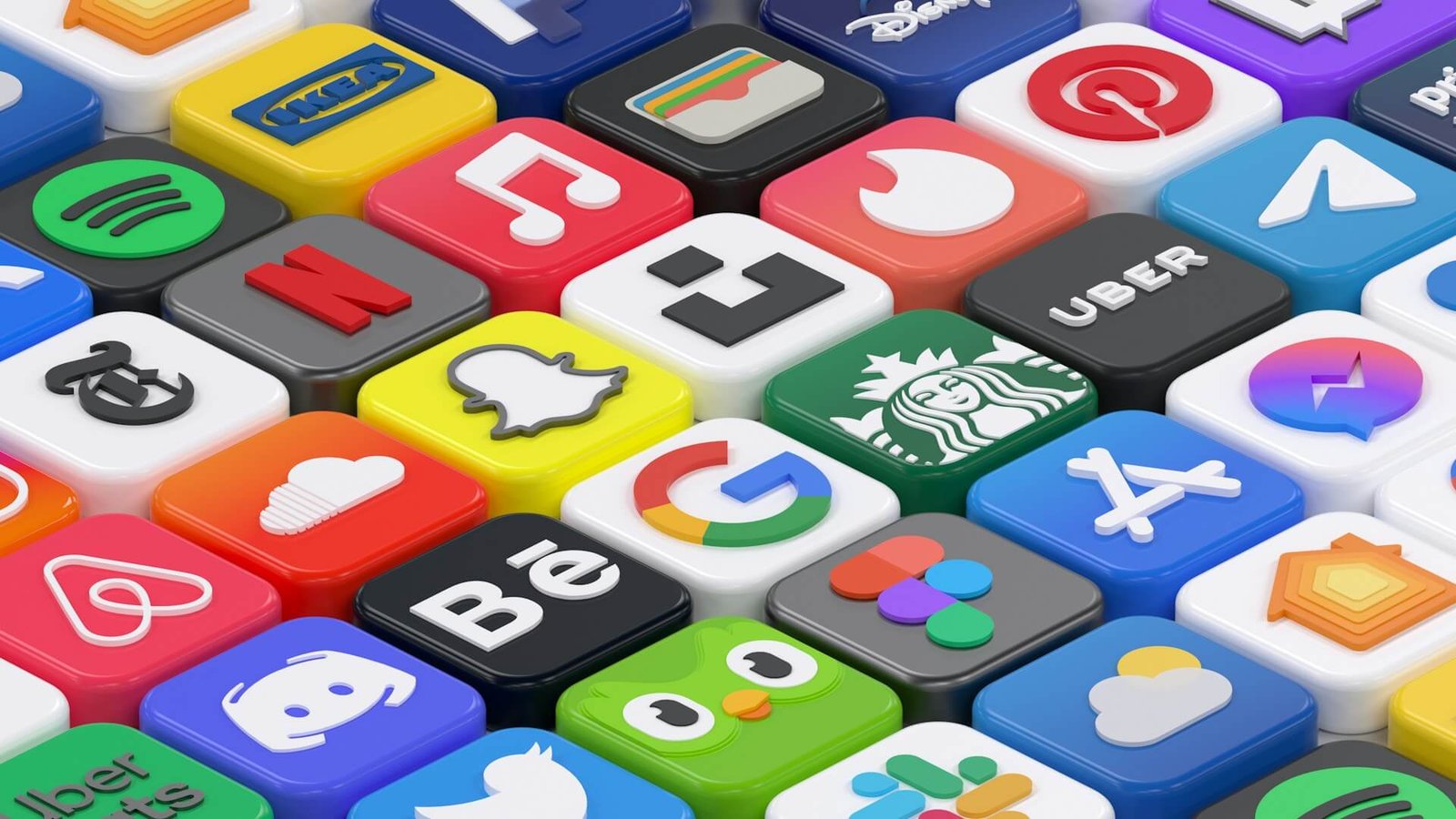
Many users believe they own the games, software, and digital products they buy, but licensing terms often tell a very different story.
As more products become digital, the traditional idea of ownership is evolving. Instead of purchasing a physical item with unrestricted use, consumers often receive a license that grants access to software, games, ebooks, or other digital content under specific terms and conditions. These agreements define how a product can be used and may include limitations that many users are unaware of at the time of purchase.
The growth of cloud services, subscription models, and digital marketplaces has further changed the relationship between consumers and the products they use. Access to digital content may depend on maintaining an active account, an internet connection, or an ongoing subscription. In some cases, products or features can become unavailable if a service is discontinued or licensing agreements change, highlighting the difference between permanent ownership and licensed access.
As digital ownership continues to evolve, consumers benefit from understanding the terms that accompany their purchases. Reviewing licensing agreements, comparing ownership models, and choosing services that communicate their policies clearly can help users make more informed decisions. Greater awareness of these distinctions allows consumers to balance convenience with long-term access to the digital products they rely on.
6 Recent comments on “How Digital Ownership Is Changing for Everyday Consumers”
Leave a Reply
You must be logged in to post a comment.


This is test comment
Lorem ipsum dolor sit amet, consectetur adipiscing elit, sed do eiusmod tempor incididunt ut labore et dolore magna aliqua.
Lorem ipsum 1
Thanks
Lorem Ipsum 2
This is new comment for Support Once.